
Memory is rapidly decreasing due to eating artificial sweeteners
Memory is rapidly decreasing due to eating artificial sweeteners
There are some real research-based indications behind this, but the matter needs to be understood with a little balance
Artificial Sweetener and Memory
such as—Aspartame, Saccharin, Sucralose, etc.
Studies have shown that eating artificial sweeteners for a long time and in excessive amounts—
can affect the brain memory and learning ability
Decreased attention span, dizziness
Oxidative stress can increase in the brain
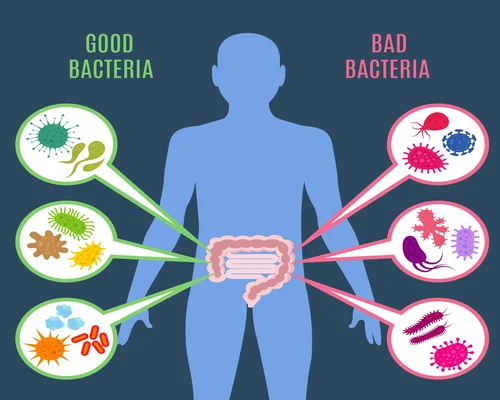
If gut health (good bacteria in the stomach) is damaged, it also affects the brain
Especially Aspartame breaks down and produces some chemicals, which, if in excess, put pressure on the nervous system.
But one important thing
Eating small amounts occasionally usually does not cause much harm.
The problem occurs when—
Diet cola every day
Regular use of artificially sweetened tea/coffee
For a long time
What to do to keep your memory good?
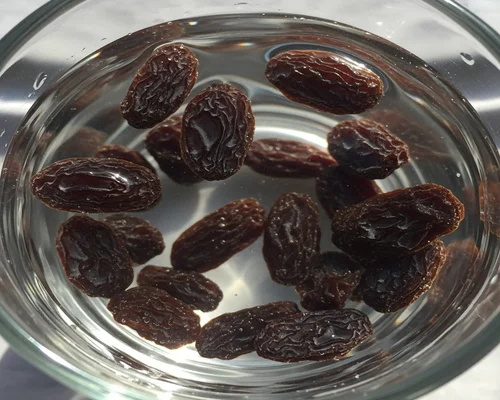
If possible, natural sweeteners (dates, honey—in small amounts)
Almonds, walnuts, sesame seeds
Omega-3 rich fish
Fruits (especially berries, apples)
Ample sleep + water
Bottom line
Artificial sweeteners = not completely banned
But the fear that regular and excessive consumption may damage memory cannot be completely ruled out.
Which artificial sweetener is more harmful in terms of its effect on memory and brain
Most harmful
Aspartame (most suspected)
Where is it found:
Diet cola
Sugar-free chewing gum
Diet biscuits
Why is it harmful:
Breaks down to form Phenylalanine + Methanol
If there are too many of these, nerve signals become weak
Studies have shown signs of memory loss, decreased attention, and headaches
Long-term use = higher risk
Saccharin
Where is it found:
Old sugar-free tablets
Some medications
Problem:
Destroys gut bacteria
Distorts insulin response
Indirectly affects brain function
Moderate Risk
Sucralose (Splenda)
Where is it found:
Modern sugar-free foods
Sugar substitute for tea and coffee
Problem:
Can reduce good bacteria in the stomach by up to 50–60%
Problems in the brain-gut connection in the long term
Can occur occasionally, not every day
Relatively safe (Low Risk)
Stevia (natural source)
Where is it found:
Herbal sweeteners
Good Side:
Derived from plants
Very little negative effect on the brain
Relatively safe for diabetics
But must be pure stevia (many packets contain a mixture)
The most harmful combination
Aspartame + Sucralose together
Diet drinks + sugar-free snacks
Brief conclusion
The most harmful: Aspartame
Second: Saccharin
Moderate: Sucralose
Relatively safe: Stevia




-vegetable.webp)