
Why are health checkups important? What tests are done at different ages?
Why are health checkups important? What tests are done at different ages?
Regular health checkups are crucial for detecting latent diseases or complications at an early stage—before symptoms appear—and ensuring timely treatment.
Why are health checkups important?
Early detection: Diseases like high blood pressure, diabetes, or cancer can be easily detected early on.
Risk reduction: Risks can be lowered by modifying lifestyle and dietary habits before a major illness develops.
Easier treatment: Detecting a disease in its early stages makes treatment easier and more cost-effective.
Tests required based on age
Ages 18 to 30
Blood Pressure: Every 1–2 years.
Weight and BMI: Regular monitoring.
Blood tests: Complete Blood Count (CBC) and blood sugar (if necessary).
Ages 30 to 40
Diabetes screening: Regular blood sugar testing.
Lipid Profile: Measuring cholesterol and blood fat levels.
Liver and kidney function tests: Assessing organ functionality.
Ages 40 to 50
Heart disease tests: Regular ECG and cardiac screening.
Mammograms: Breast cancer screening for women (especially based on risk factors after age 40).
Comprehensive physical exam: Annual full-body checkup.
Age 50 and above
Colorectal cancer screening: Testing for colon cancer.
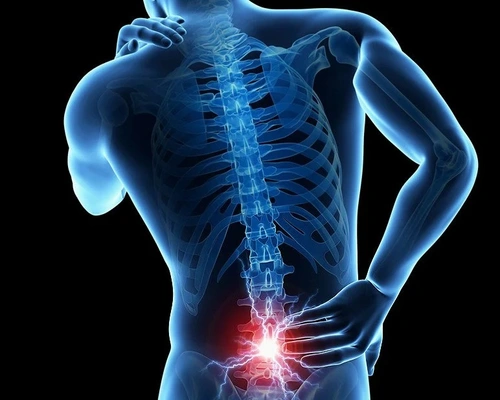
Bone Density Test: To check for osteoporosis or bone loss.
Specialist consultation: Other advanced tests based on age and specific health conditions.






-vegetable.webp)