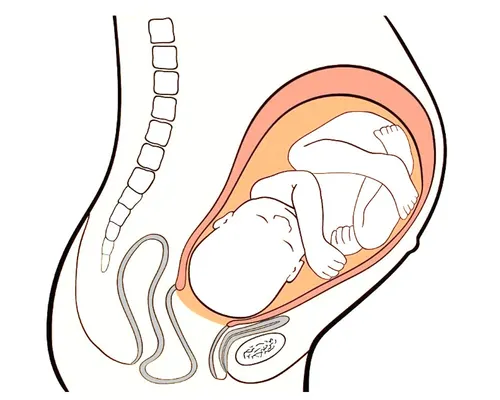
What happens if a baby has a hole in their heart?
What happens if a baby has a hole in their heart?
I am trying to explain in simple terms-
1) What happens if a baby has a hole in their heart at 20 weeks?
A hole in the heart of a baby is usually called Congenital Heart Defect (CHD). There are usually two types of holes—
ASD (hole between the upper two chambers of the heart)
VSD (hole between the lower two chambers of the heart)
What can be the result of this?
If the hole is small, it often closes on its own after birth
If the hole is large, the baby may have trouble breathing
Not gaining weight
Repeated pneumonia
Feeling tired quickly
If it is large, medicine or surgery may be required later
In modern medicine, in most cases, it is possible to completely cure it through surgery.
2) What is meant by “if half of the vein is missing”?
This usually means—
A blood vessel (artery/vein) in the heart is not formed properly
Or one side of the heart/vein is not completely formed
These are called Complex Congenital Heart Disease.
What can be the result of this?
The baby body does not receive enough oxygen
The baby may turn blue after birth
Sometimes emergency treatment or surgery is required immediately after birth
In some cases, multiple surgeries are required
3) What needs to be done now?
It is definitely important to do Fetal Echocardiography (a special heart test of the baby in the womb)
You need to see a pediatric cardiologist
They will clearly explain:
How serious is the problem
What treatment will be required after the baby is born
Is surgery possible or not
4) The good news
Many heart problems can now be successfully treated
If you know in advance, you can prepare for delivery and treatment well
Many babies live a normal life after treatment
What does it mean if one side of the heart/vein is not completely formed?
This is medically called Single Ventricle Defect / Hypoplastic Heart Syndrome.
This can mean—
The right or left side of the heart is not formed properly
Or the main blood vessel (vessel) connected to that side is small/underdeveloped
As a result, the heart cannot pump blood normally
Example:
Hypoplastic Left Heart Syndrome (HLHS) – Small left side
Hypoplastic Right Heart Syndrome (HRHS) – Small right side
What problems can this cause for the baby?
During pregnancy:
Many times, no major problems are seen during pregnancy
But the problem is considered serious
After birth:
The baby may turn blue
Has difficulty breathing
Cannot feed
Becomes very weak
Could become serious within 24–48 hours of birth
Because the body does not get oxygenated blood properly.
Is treatment possible?
Yes, but—
It requires multiple surgeries
Usually 3 surgeries:
Within the first few days after birth
At 4–6 months of age
At 2–4 years of age
These surgeries are performed in highly specialized heart centers.
What is the success rate?
Many babies survive and grow up in advanced centers
However, it is not an easy or minor surgery
Lifelong follow-up and some limitations may apply
What is the most important thing to do now during pregnancy?
Understand the Fetal Echocardiography report very clearly
Talk to a pediatric cardiologist + cardiac surgeon
Know in which country/center the operation is possible
Prepare the family mentally and medically
In some cases, doctors also advise whether to continue the pregnancy or not according to the severity of the disease—this is a very personal and difficult decision.
=======
What is the reason for the baby heart/vessels not developing properly?
1.Problems at the beginning of embryo formation
The baby heart is formed in the first 4–8 weeks of pregnancy
At this time, for some reason, the heart formation cannot be completed
Then one side of the heart or vessel remains small / half / incomplete
This is usually not due to any fault of the mother.
2.Genetic or chromosomal problems
In some cases, the baby may have a problem with the genes
For example:
Down syndrome
Trisomy 18 / 13
However, there is not always a genetic cause
3.If the mother has some health problems
Not in all cases, but the risk increases if—
Diabetes (especially if not controlled)
Thyroid problems
Fever or severe infection early in pregnancy
Some certain medications (without the advice of a doctor)
4.Environmental factors
Smoking
Alcohol consumption
Drugs
Exposure to toxic chemicals
5.In most cases, the cause is unknown
The real truth is—
In 70–80% of cases, the specific cause of this problem is not found.
It can be:
Natural
Due to a sudden change in genes
Without anyone fault




-vegetable.webp)